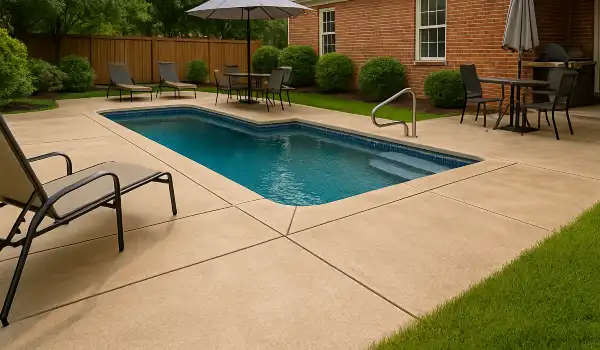
A cracked walkway, loose surface flakes, or slabs that no longer meet evenly can turn a simple trip to the mailbox into a fall risk. Concrete Contractor Hutto helps property owners assess problems such as settling near the porch, spalling along edges, and water pooling after rain. Hairline cracking in an otherwise level path can often wait for evaluation, but widening cracks, rocking slabs, or standing water by a foundation should not.
Surface flaking may be limited to the top layer, while deep cracks can point to a weak sub-base or soil movement beneath the slab. A walkway that slopes toward the house can direct runoff against the foundation instead of away from it. Call sooner if an uneven joint catches shoes, a slab has dropped more than about half an inch, or exposed aggregate is breaking free under regular foot traffic.
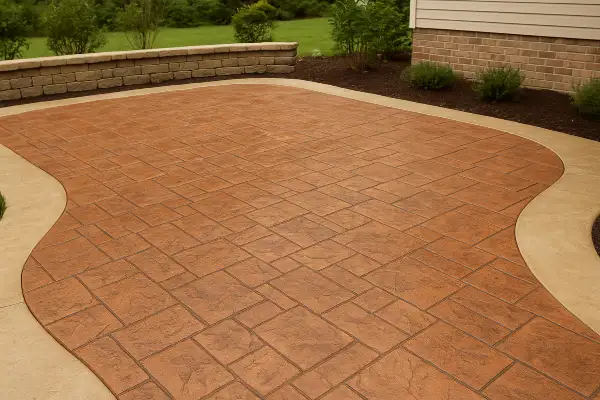
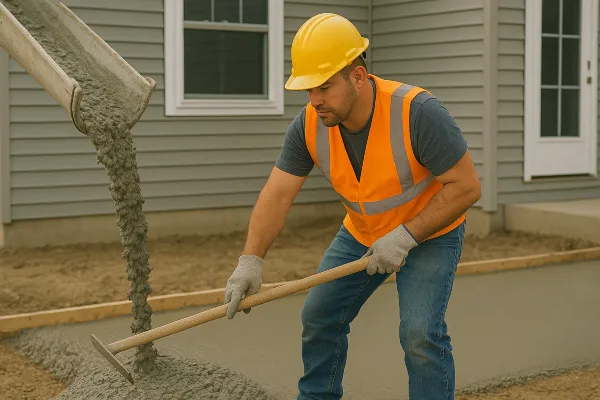
The job starts with measuring the route, checking drainage, and marking utilities before excavation begins. Damaged concrete is removed, then the exposed ground is graded and compacted to create a stable sub-base. Forms establish the walkway width, edge shape, and slope, typically guiding water away from the building. For connected site work, Concrete Parking Lot Building planning may also affect how walkway grades meet curbs, drive lanes, or accessible entrances.
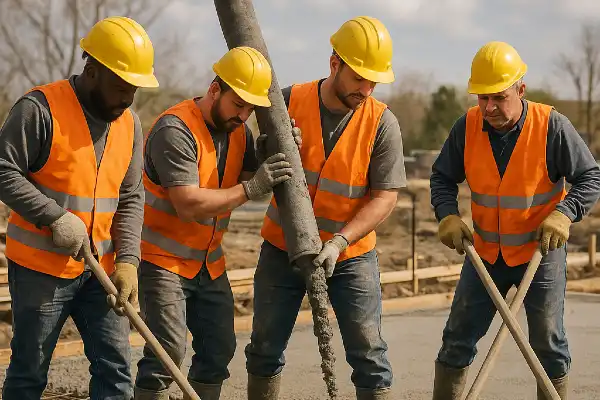
Next, mesh or rebar is positioned where the design calls for reinforcement, and expansion joints are placed beside walls, steps, or existing slabs so concrete can move without pushing against them. Concrete is poured into the forms, spread, finished for traction, and protected during curing. Control joints are cut at planned intervals, usually every few feet, because they encourage shrinkage cracks to occur in orderly lines. A sealer may be applied after the concrete has cured.
A newer residential path with one shallow crack may only need sealing or localized repair, while an older walkway beside a mature tree may have lifted because roots displaced the slab. Access matters too: a backyard route with a narrow gate can require smaller equipment and more hand work than an open front yard. Soil revealed during removal can change the plan if soft areas, buried debris, or poor drainage are found below the concrete.
Learn more about our Round Rock TX location.
Material choices also affect the result. A basic broom finish provides traction, while exposed aggregate or decorative edging adds appearance but requires more finishing work and maintenance planning. Summer heat can shorten finishing time, and wet or cold conditions can delay pouring and curing. Around Round Rock TX, a patch may buy roughly two years on a sound slab, while full replacement with corrected grading can serve far longer, often around fifteen years under normal use.
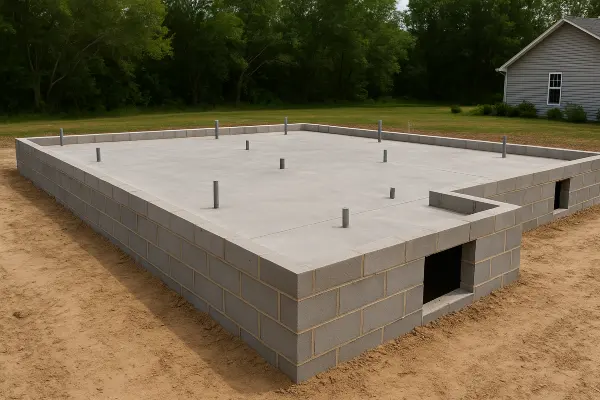
Ask each contractor what caused the cracking or settling, not merely how they plan to cover it. A useful explanation should address the sub-base, drainage slope, slab thickness, reinforcement, and joint placement. Request an estimate that identifies demolition, excavation, haul-off, forms, concrete placement, finishing, curing, and cleanup. If a walkway joins a driveway, porch, or step, the estimate should also clarify how expansion joints and final elevations will be handled.
Before work starts, ask where equipment will enter, how landscaping and irrigation heads will be protected, and how long the fresh concrete must stay clear of foot traffic. A good contractor explains the proposed finish, the location of control joints, and any limits of repairing an old slab instead of replacing it. Review the walkway route in person, especially where water currently pools, so the planned grade and drainage direction are clear.
CONCRETE CONTRACTOR HUTTO
351 Exchange Blvd, Hutto, TX 78634
(512) 729-9281
info@concretecontractorhutto.com
Hours of Operation
Open 24 Hours